

What is

Digital with Purpose?

The Digital with Purpose is a global movement that leverages digital technologies to drive sustainability, social impact, and progress toward the United Nations Sustainable Development Goals 2030.

The DWP 2026

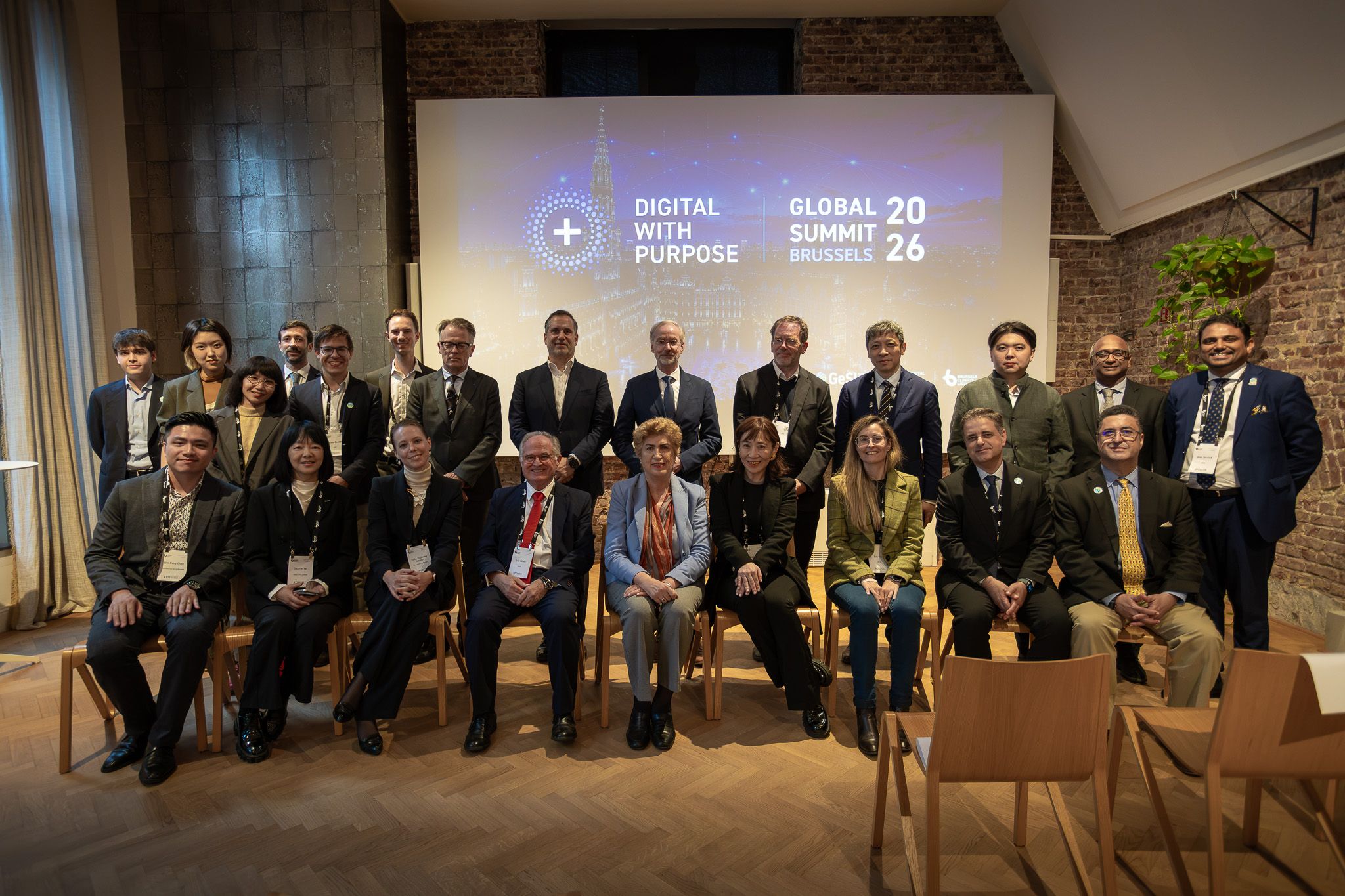
The Digital with Purpose Brussels Summit 2026 happened at the Brussels Climate week. The edition focused on how Europe can build the digital infrastructure needed to power the AI era while advancing climate goals, strengthening economic resilience and creating long-term business value.

Main Highlitghts

How can Europe strengthen AI ambitions while maintaining resilience and sustainability?

Together, the panel examined the strategic importance of critical raw materials, semiconductor manufacturing, and responsible sourcing in supporting Europe’s expanding digital and AI infrastructure, starting with the need to secure reliable access to the minerals, components, and technologies required to build and operate it. From there, the discussion turned to how Europe can reduce its strategic dependencies and make its digital supply chains more resilient.

The panelists explained that resilience can not be separated from accountability: responsible procurement practices, end-to-end traceability and robust due diligence frameworks are essential for bringing transparency to complex, globally distributed supply chains.

It was also pointed the circular economy as a practical strategy, highlighting the potential to recover valuable materials, extend equipment lifecycles, and reduce reliance on virgin resources, all of which ease supply pressure while lowering environmental impact.

How can Europe measure the impact of digital solutions on investment, market adoption, and competitiveness?

The speakers explored how credible impact measurement can strengthen the business case for green digital solutions. They emphasized the need for robust methodologies and reliable evidence to assess the net carbon benefits of digital technologies. They showed how environmental gains together with economic value can support both Europe’s sustainability goals and its industrial ambitions.

In the end, focused on how companies, investors and policymakers can use the environmental and economic performance to accelerate market adoption, and what it will take to scale successful solutions from individual use cases to more deployment across European industries and markets.

How can Europe power the demand needed to support investment in digital and AI infrastructure?

The conversation analyzed the relationship between infrastructure investment, market demand, and Europe’s digital sovereignty, starting with the role of public procurement. The Panelists debated how public-sector demand and long-term purchasing commitments can stimulate investment in European data centre capacity and AI infrastructure, and how sovereign cloud initiatives, built on collaboration between public and private stakeholders, can help support a stronger European digital infrastructure market.

In the second round, the speakers discussed how demand-side commitments can reduce investment uncertainty. They also looked at how to connect infrastructure development to real demand for digital and AI solutions, with opportunities in mobility, energy, food systems and healthcare. Linking supply to industry needs, suggesting, is essential to secure that new capacity is matched by meaningful, sustainable use.

How can Europe expand its AI infrastructure while ensuring sustainability for local communities?

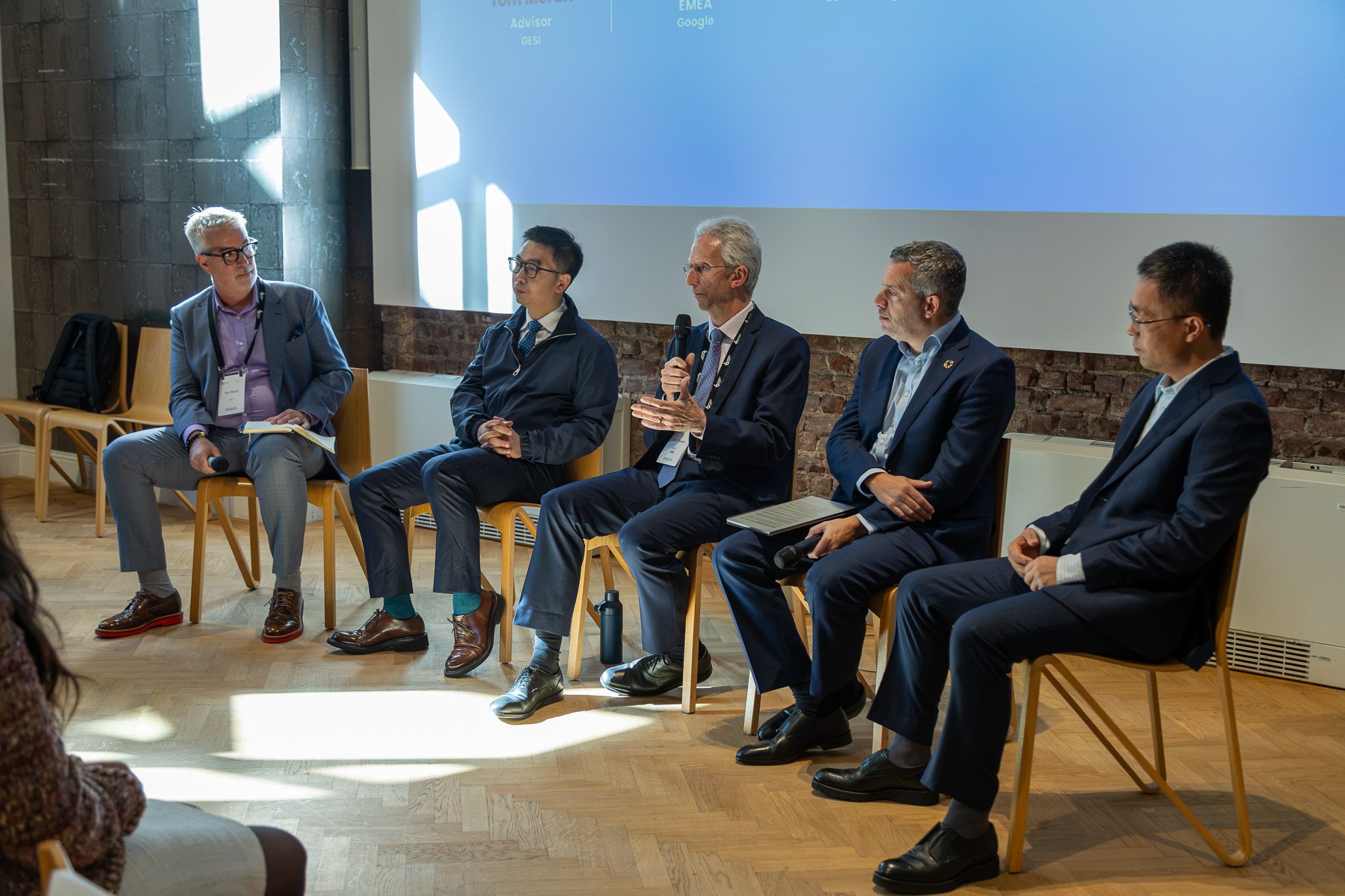
The speakers agreed that infrastructure must be adapted to local realities, given the diversity of Europe’s energy systems, regulations, and markets. As Roger Wang, CEO of Global Data Center at Alibaba Cloud, put it, “Different markets have different conditions, so we have to adapt our solutions to local markets.” They also said data centers should boost grid resilience with renewable power, storage, and smart energy management.

The key takeaway was clear: Europe’s AI backbone must be developed as an integrated ecosystem connecting computing, clean energy, networks and communities, and building it responsibly is essential to the continent’s digital competitiveness and sustainable future.

How can Europe strengthen its competitiveness in AI while ensuring sustainable, inclusive growth?

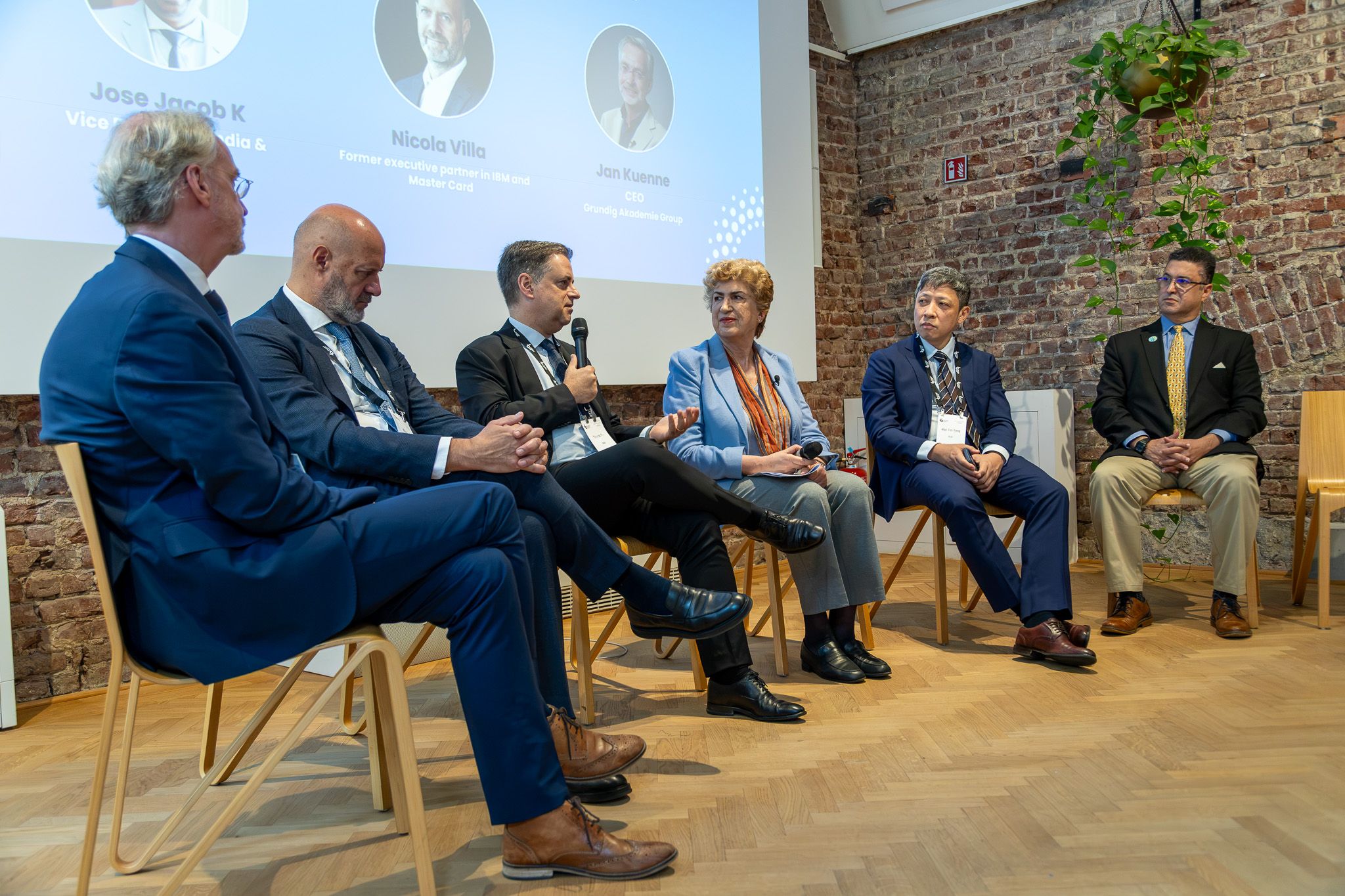
From the US innovation ecosystem to China’s industrial AI and India’s digital inclusion, the message was that value comes from real-world impact, and that no single model fits all. As Nicola Villa of the World Bank put it, regions should develop their own models while collaborating and leveraging each other’s diversity, a view echoed by Ricardo Rio: “We can not choose a single model.”

For Europe, the panel mentioned building digital infrastructure, mobilising investment, supporting SMEs, while weighing AI's energy demands against its potential to cut waste and support decarbonization.

Stay Ahead of The Latest Trends

Subscribe to our newsletter for regular updates on payment innovations, regulatory changes
and strategic insights for finance & tech leaders.